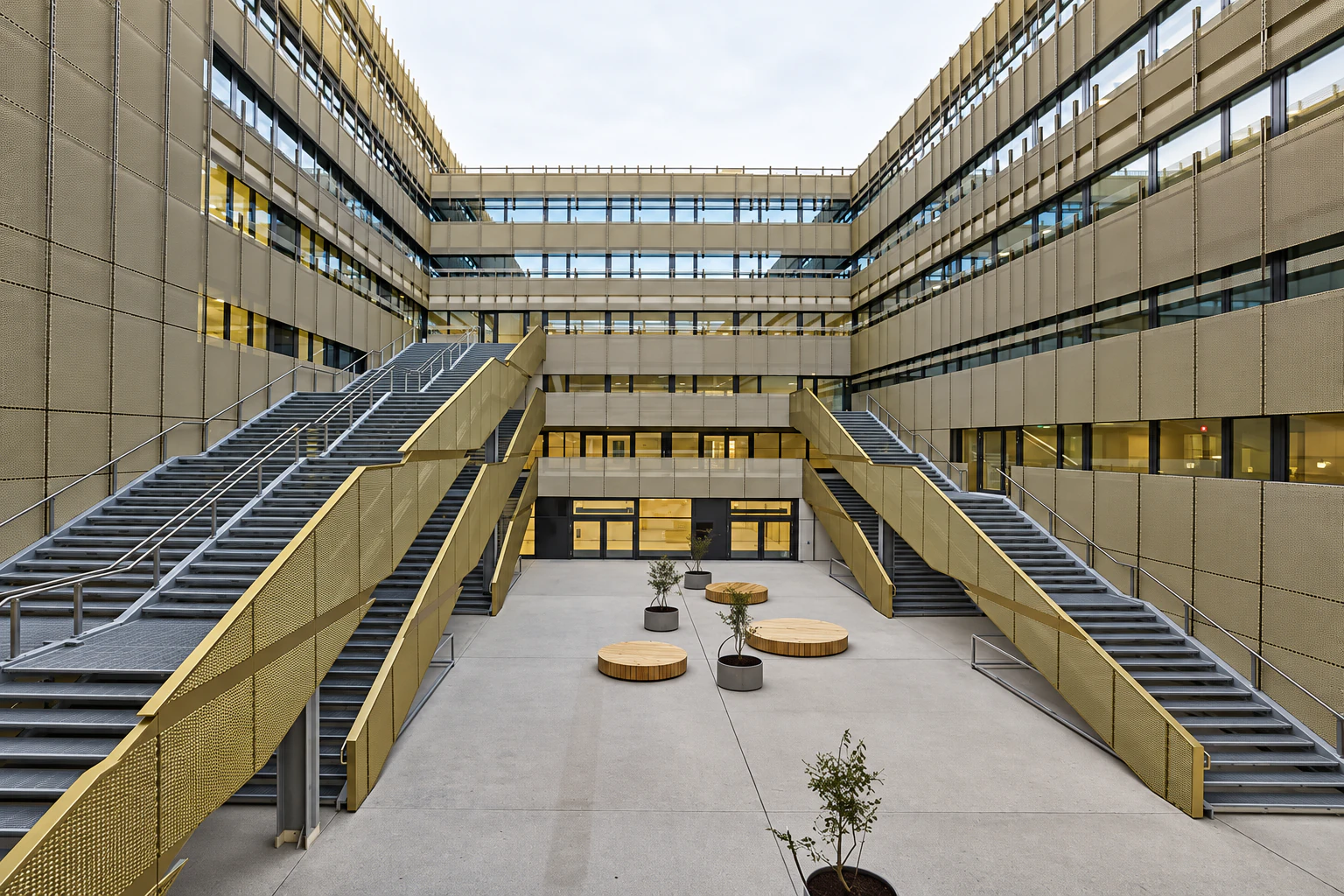
SFU Campus, Vienna
On-site technical due diligence of the heating and energy systems at Sigmund Freud University's Vienna campus, ahead of a retrofit.
On-site technical due diligence · Retrofit preparation
For asset managers and real estate funds
Our engineers go on site and report on the heating, cooling, ventilation, electrical and energy systems of your asset: what condition they are in, what they cost to run and what capex lies ahead.
The heating, ventilation and energy systems decide much of a building’s operating cost and of its future capex. We inspect them on site, price what we find and tell you what it means for the investment.
Know the condition of the plant and the capex behind it before you price the asset.
Show a lender or a buyer what the systems are worth, with the evidence attached.
Decide what to keep, what to change and where the money goes first.
Check that what was built matches what was designed, while defects can still be claimed under warranty.
Boilers, heat pumps, chillers, heat substations and their controls: age, condition, efficiency and remaining life.
Air handling units, heat recovery and ductwork, and whether the air volumes match how the building is used.
Connection capacity, distribution and reactive power, and how well solar generation and storage match the building’s demand.
Pipework, insulation, pumps and valves, the building management system and the settings the building actually runs on.
Walls, roof and glazing, as far as they drive heating and cooling demand.
As-built documentation, maintenance records, energy bills and metered data, compared with what we find on site.
We cover building services and energy. Structure, fire safety, legal and environmental matters stay with your other advisers, and we work alongside them.
The state of each system, documented with photographs, and what can stay.
The issues to deal with first, separated from work that can wait.
The investment each option needs and when it falls due.
What the systems cost to run today, what they would cost after each option, and how owner-borne costs affect net operating income.
Retrofit options compared on cost and return, with a recommendation you can take to your investment committee.
We present the findings to your team and answer the questions that follow.
We agree the decision the report has to support, the assets in scope and the deadline.
We review the documentation, bills and operating records you can share.
Our engineers inspect the plant rooms, distribution and controls, and check how the systems actually run.
You receive the report and a walkthrough of the findings. At a 4,900 m² school in Środa Śląska, this took three weeks from the first visit.
On-site technical due diligence of the heating and energy systems at Sigmund Freud University's Vienna campus, ahead of a retrofit.
On-site technical due diligence · Retrofit preparation
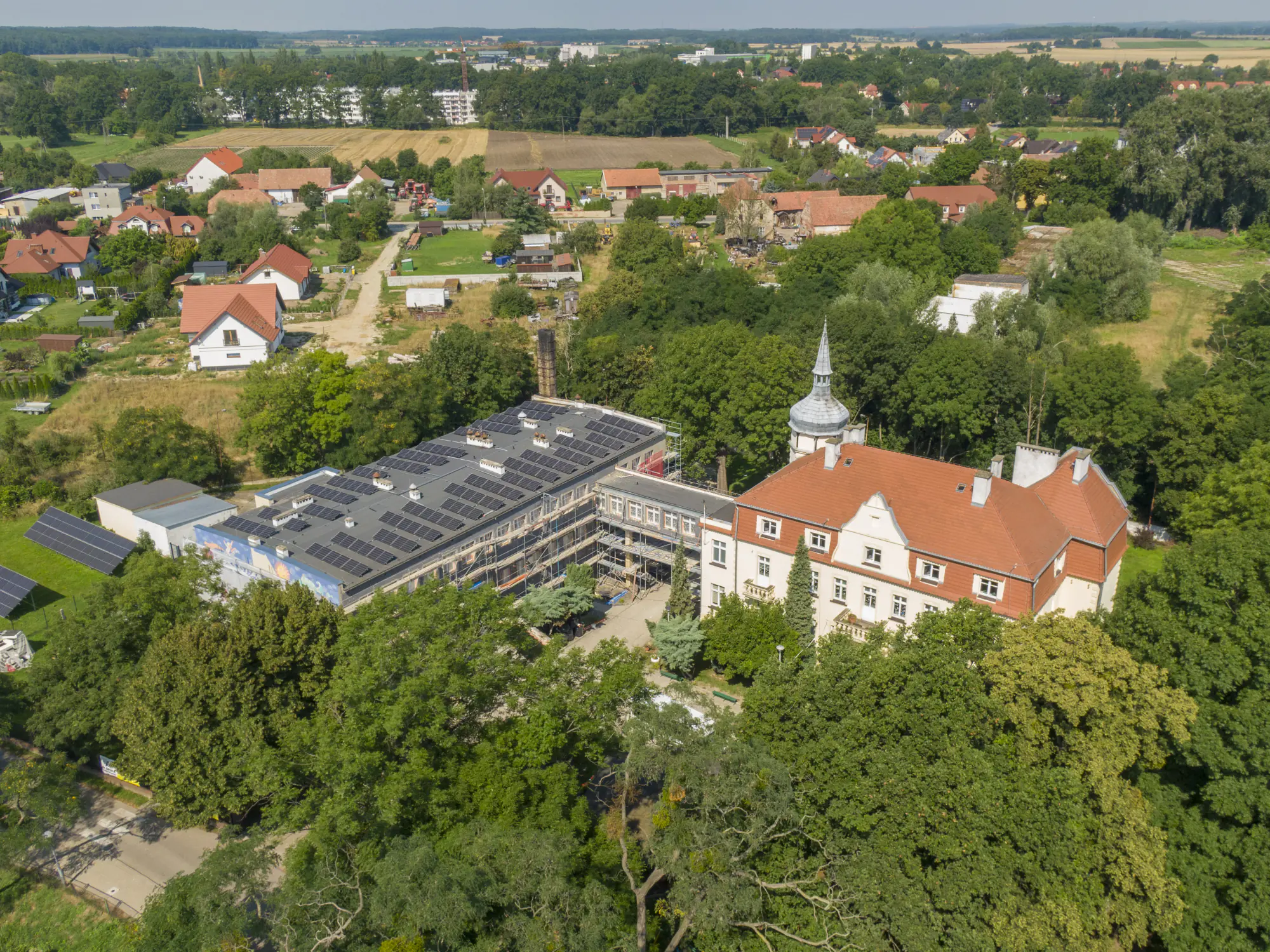
On-site technical due diligence of the heating and energy systems of a private school campus in Lower Silesia, ahead of a retrofit.
On-site technical due diligence · Retrofit preparation
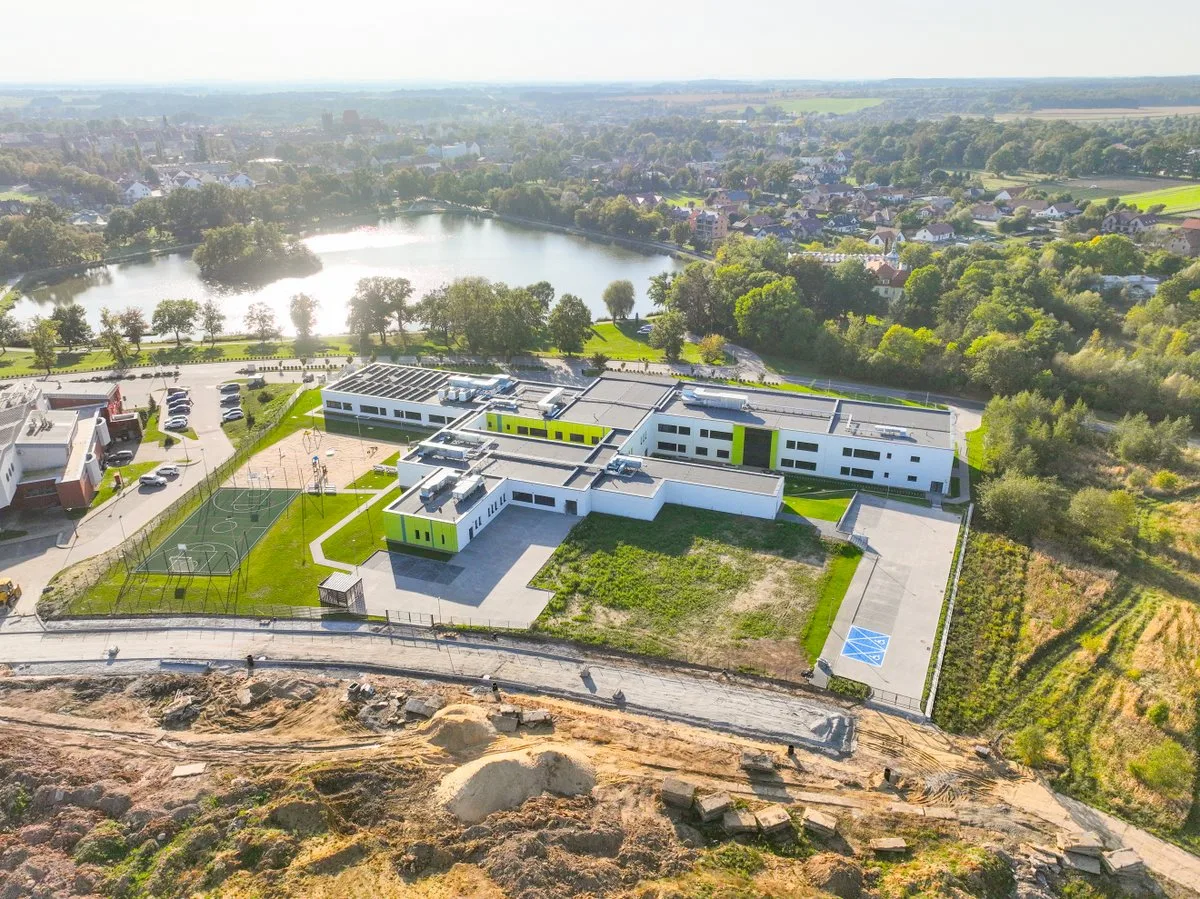
A technical review of a newly built school found construction-phase defects in its heating and ventilation. Fixing them cut energy and heating bills by almost 80%, with no new investment.
Energy audit · Construction quality review · Implementation support
Practical questions
It covers the building services and energy systems: heating, cooling, ventilation, electrical systems, solar, storage and controls, and the building fabric as far as it drives energy demand. Structure, fire safety, legal and environmental matters are outside our scope. On a transaction we work alongside the advisers who cover them.
No. The report is yours, and it is written so that you can collect comparable proposals from other designers and contractors. If you want us to design and deliver the work, that is a separate engagement.
It depends on the size of the asset and the documentation available, and we agree the deadline before we start. As a reference, at a 4,900 m² public school the first visit to the final report took three weeks.
Yes. We start with one asset to agree the format, then apply the same method across the portfolio, so the results can be compared building by building.
From offices in Wrocław and Warsaw. We have carried out technical due diligence in Poland and in Austria.
Access to the building and a contact who knows it, plus whatever documentation exists: as-built drawings, maintenance records, energy bills and metered data. Gaps are common; we note them and say how they limit the conclusions.
The next step
Tell us about the asset, the decision ahead and your deadline.