Energy efficiency: new obligations for companies. Who will need an energy audit, and who an energy management system
Poland's amended Energy Efficiency Act transposes the EU's EED. Obligations will depend on energy use, not company size: above 10 TJ a year, an energy audit every four years; above 85 TJ, an energy management system. We explain the thresholds, deadlines and costs, and how to prepare without a last-minute rush.
In brief
- Obligations will depend on average annual energy use across all energy carriers and sites, including fleet fuel, not on headcount or turnover.
- Above 10 TJ a year (about 2.78 GWh): an energy audit every four years. Above 85 TJ (about 23.6 GWh): a certified energy management system.
- The climate ministry estimates the audit obligation will cover about 11,300 companies and the energy management system obligation about 1,500 of the largest users. Many medium-sized firms will be audited for the first time.
- The action plan that follows an audit is to be published, and the next plan must show how many of the previous recommendations were actually implemented.
- The draft law is still in consultation, so the details and transition periods may still change.
Where the new obligations come from
The EU Energy Efficiency Directive, Directive (EU) 2023/1791 (EED), changed the rules in Article 11. Previously, whether a company had to carry out an energy audit depended mainly on its size. Now what counts is how much energy it actually uses. The directive set the first audit deadline at 11 October 2026 and the deadline for an energy management system at 11 October 2027.
Poland is transposing these rules by amending its Energy Efficiency Act (draft UC77). The Ministry of Climate and Environment published the draft in September 2025 and responded to comments from the inter-ministerial review in early October 2026. Dr Sławomir Różycki published a good overview of the draft on WysokieNapiecie.pl (in Polish); below we summarise the key points and add the practical view of a company that measures and manages energy use in buildings every day.
Who the new obligations apply to
| Average annual energy use | Obligation | Example sectors |
|---|---|---|
| up to 10 TJ (about 2.78 GWh) | no audit or energy management system obligation | small plants and facilities |
| above 10 TJ up to 85 TJ | energy audit every four years (with exemptions) | medium food processing, metalworking and plastics, cold stores and warehouses, logistics with own fleets, retail chains, hotels, banks, data centres |
| above 85 TJ (about 23.6 GWh) | certified energy management system (or the alternative provided in the draft) | steel and foundries, cement, lime, glass, ceramics, chemicals, paper, large food plants |
How to check whether you exceed 10 TJ
The threshold is lower than many companies assume. Consumption includes all energy carriers: electricity, gas, district heat, heating oil and vehicle fuel, across all of the company's sites. The directive refers to the average of the previous three years.
For orientation, 10 TJ is about 2,780 MWh. A plant using about 278,000 m³ of gas a year would exceed it, as would a haulier with around ten long-haul trucks burning about 275,000 litres of diesel.
In practice, the hard part is not the arithmetic but collecting the data: invoices from several sites, different units, fuel billed through fleet cards, sub-meters nobody reads. This is a good moment to put that data in order, because you will need it at every later stage.
Audit or energy management system
Companies with a certified ISO 50001 energy management system do not need a separate audit. Under the draft, however, they will have to notify the President of the Energy Regulatory Office (URE) within 30 days of certification and, each year by 31 March, enter their total energy use on a platform the amendment will create.
Companies with an ISO 14001 or EMAS environmental management system can carry out the audit within that system and report it to URE every four years. According to the overview of the draft, for companies above 85 TJ these systems are to be treated as an alternative to an energy management system.
The energy management system must be certified by an independent, accredited certification body. The draft also recognises existing systems through a transitional provision. The exemption for companies with an energy performance contract (EPC) has been narrowed: it will only apply to contracts that include implementing an energy management system.
The audit can no longer sit in a drawer
In our view, this is the change that matters most. The action plan that follows an audit (or a review of the energy management system) is to be published, excluding legally protected information, and included in the company's annual activity report. The next plan must show how many recommendations from the previous one were actually implemented.
Until now, many audits ended with the report: the document was produced because it was required, and the recommendations waited for "a better moment". Now, four years later, it will be visible in black and white what was done with them. That is why it pays to treat the audit as an investment plan from the start, not a formality.
Deadlines and transition periods
- Energy management system (above 85 TJ): 24 months from the law's entry into force.
- First audit (10–85 TJ): the draft announces a transition period, mainly for medium-sized companies that have never been audited. Its length is to be set in the next version of the draft.
- Auditors: the exam and register kept by the Office of Technical Inspection (UDT) are to be replaced by certification of individuals by bodies accredited by the Polish Centre for Accreditation (PCA), plus mandatory professional liability insurance. For four years after the law takes effect, audits by people who meet the current requirements will be recognised.
When choosing an auditor, check the certificate and the liability insurance, and confirm the certificate with the body that issued it.
What it costs and when it pays back
The regulatory impact assessment puts the average cost of an audit at about PLN 100,000 and an energy management system with metering at about PLN 1 million, with a simple payback of about 3 years. These are averages, not a quote for any particular company: the cost depends mainly on the number of sites, the state of metering and how much data has to be collected from scratch.
White certificates (Poland's energy efficiency certificates) can recover part of the cost. Measures identified in an audit, such as modernising a compressor room, heat recovery or replacing drives, can qualify if they are documented by an energy efficiency audit before they are carried out. The threshold is 10 toe of savings per project. The order matters: audit first, investment second.
A separate obligation for data centres
Independently of the Article 11 thresholds, the EED (Article 12) requires owners and operators of data centres with at least 500 kW of installed IT power to report energy performance data every year, including energy and water use and the use of waste heat.
How to prepare now
- Calculate your consumption. Collect three years of data across all energy carriers and sites, including fleet fuel, and check which band your company falls into.
- Check your metering. Without meter data there is neither a good audit nor an energy management system. Establish which loads are metered separately and which only show up on the invoice.
- Choose your route. An audit every four years, ISO 50001, or ISO 14001 or EMAS if you already have them. The choice depends on the scale of consumption and on how you want to manage energy day to day.
- Vet your auditor. Certificate, liability insurance and experience with similar facilities.
- Plan investments in the right order. An efficiency audit before implementation opens the way to white certificates.
- Prepare for a public action plan. Pick the recommendations you will actually implement, and give each a budget, an owner and a deadline.
How Meterd helps
The new rules require what we do every day: reliable energy data and consistent implementation of improvements. We work as a company's external energy department:
- Metering and data. We fit missing meters, bring the consumption of every energy carrier and site into one place, and establish where the costs arise. That is the foundation of both an audit and an energy management system.
- Energy efficiency report. An analysis of consumption and the condition of installations, with investment priorities, technical requirements and next steps, which can feed into the audit and into white certificate applications.
- Implementing the recommendations. We don't stop at the report: we design and deliver the improvements, from settings and schedules to heat pumps and energy storage.
- Ongoing energy management. Daily oversight, limits and alerts, and regular reports in plain numbers. These are the processes and data an ISO 50001 energy management system rests on, and ready material for annual reporting.
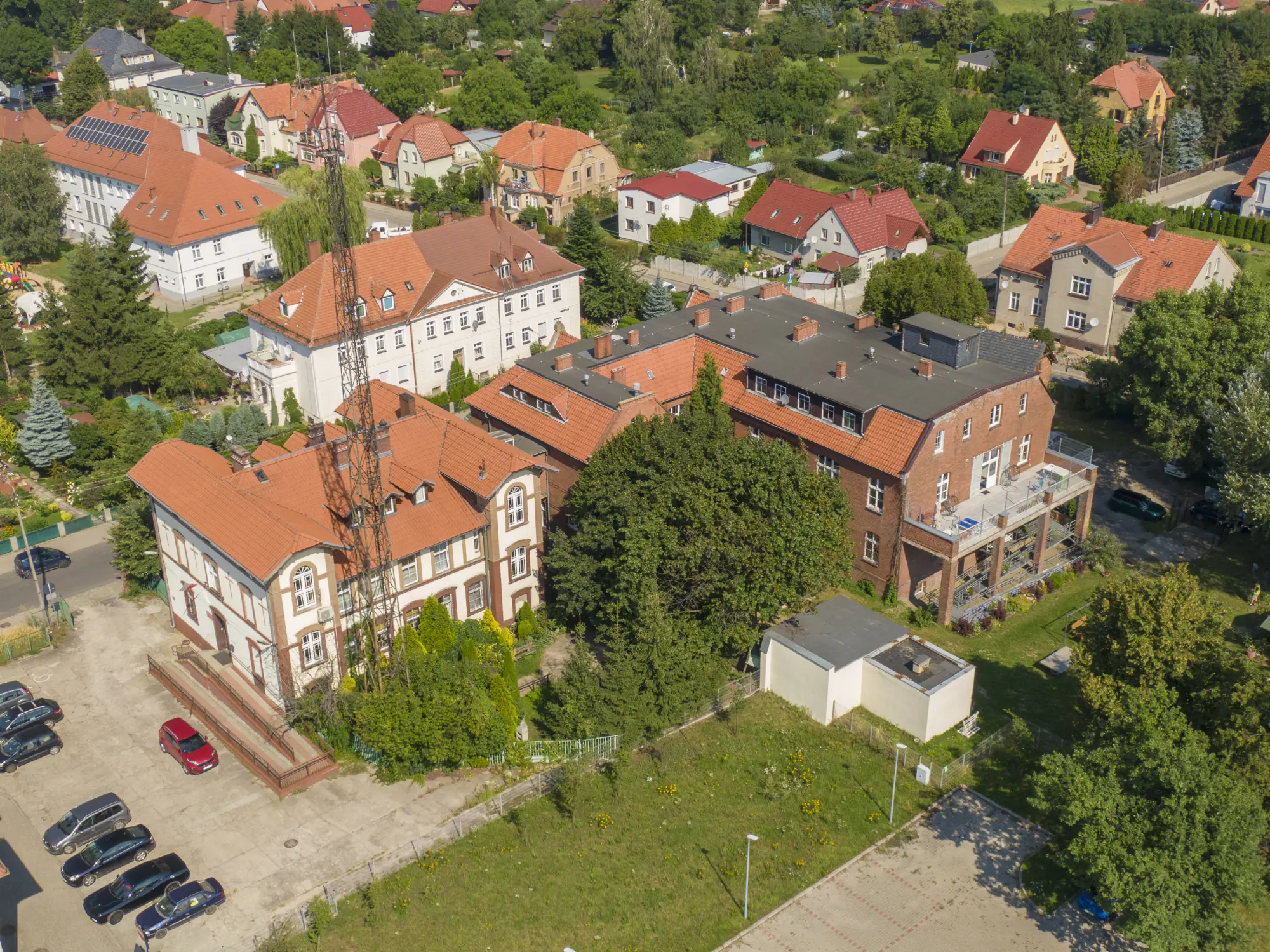
An example from practice: at the ESA Trucks service centre in Iłowa we metered the site zone by zone, studied consumption for three months, then retuned the heat pumps, heating and ventilation and set limits on gas and power use. Operating costs fell by around 65%, and the investment paid back in 10 months.
An ISO 50001 certificate is issued by an accredited certification body, and an audit is signed by a qualified auditor. We prepare the data, processes and documentation, and after certification we run the system day to day, so that the next action plan shows recommendations implemented, not just written down.
If you want to check which band your company falls into and where to start, let's talk: contact@meterd.eu, +48 516 833 250.
*This article is for information only and is based on the draft amendment to Poland's Energy Efficiency Act as discussed in October 2026. The draft is still in consultation and may change. It does not constitute legal advice. Sources: Directive (EU) 2023/1791, Articles 11 and 12; WysokieNapiecie.pl, "Efektywność energetyczna: nowe obowiązki dla firm" (in Polish).*
Related project

ESA Trucks, Iłowa
Heat pump optimisation, gas and power limits and ongoing energy management at a DAF truck service centre: operating cost down 65%.
Energy audit · Heat pump optimisation · Energy management